
Experience Authentic Traditional Thai Massage for Deep Relaxation
When most people think of Thailand, their minds often conjure images of golden temples, lush jungles, and vibrant street markets. But one of the island’s most revered treasures isn’t just its scenery— it’s the traditional Thai massage, a time-honored healing practice celebrated worldwide for its ability to promote relaxation, flexibility, and overall well-being. Whether you’re seeking to ease muscular tension or simply unwind after a busy day, experiencing authentic traditional Thai massage can provide profound benefits that transcend mere relaxation.
In this comprehensive guide, we will delve into the rich history of Thai massage, explore the various styles and techniques, understand what to expect from a genuine session, and provide tips on how to maximize your experience. Embark on this journey into the heart of Thai healing arts and discover how traditional Thai massage can be a transformative experience for deep relaxation.
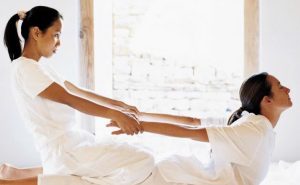
The Rich Heritage of Traditional Thai Massage: An Ancient Healing Art
Understanding the origins and cultural significance of traditional Thai massage is essential to appreciating its depth and authenticity. This healing art dates back over 2,500 years, rooted in the holistic philosophy of Thai culture and Buddhist teachings, intertwining elements of Ayurveda and Chinese medicine.
The History and Evolution of Thai Massage
Traditional Thai massage, known locally as “Nuad Boran,” has been passed down through generations, evolving through centuries of practice. Historically, it was practiced by monks in temples as a spiritual discipline and healing art. Thai massage originally combined physical therapy with spiritual cleansing, aiming to balance the body’s energy lines (called “Sen”) and promote harmony between mind and body.
During the Ayutthaya period (14th to 18th centuries), Thai medicine saw significant developments, with massage becoming an integral part of wellness culture. The practice was formalized under royal patronage and included a detailed system of manual therapies, herbal remedies, and meditation techniques.
In modern times, traditional Thai massage has gained international recognition. Its evolution continues as practitioners combine age-old techniques with contemporary holistic health approaches, maintaining its core philosophy of balancing energy flow and promoting vitality.
Cultural Significance and Spiritual Roots
Unlike Western massage therapies that often focus solely on physical relaxation, Thai massage intertwines physical, mental, and spiritual dimensions. It is viewed as a sacred practice, often performed with mindfulness and reverence, emphasizing energy balance, health, and spiritual harmony.
Professionals often undergo rigorous training that includes meditation, breath control, and traditional rituals, ensuring a respectful connection to the cultural roots. The practice embodies more than just physical manipulation; it embodies compassion, spiritual intention, and a deep understanding of human vitality.
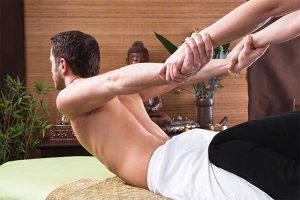
Authentic Thai Massage Versus Commercialized Versions
While traditional Thai massage holds deep cultural significance, it’s crucial to distinguish authentic practices from commercialized or superficial versions, especially in tourist-heavy areas. Authentic Thai massage is performed by trained practitioners who respect the techniques’ origins, often using traditional methods and herbal compresses.
Tourist markets may offer quick, superficial massages that lack the depth and healing intent of genuine traditional Thai massage. To experience its full benefits, seek out reputable spas or massage centers — preferably, those that employ certified practitioners, uphold traditional techniques, and foster a tranquil ambiance befitting this sacred art.
Techniques and Styles of Traditional Thai Massage: What to Expect
An authentic traditonal thai massage session encompasses a series of dynamic, flowing movements that combine acupressure, stretching, and energy line work. It’s often described as a “passive yoga” due to its emphasis on gentle stretching and manipulation.
Core Techniques of Traditional Thai Massage
Before stepping into a Thai massage session, it’s helpful to understand some of the core techniques that define its uniqueness:
- Pressing and Palming: Applying finger and palm pressure along the body’s energy lines to stimulate meridian points.
- Stretching: Gently pulling limbs to enhance flexibility and release muscular tension.
- Joint Mobilization: Gentle rotation and movement of joints to increase range of motion.
- Palpation of Energy Lines: Using tactile assessment to identify areas of blockages or tension, then addressing them through targeted techniques.
All these techniques are performed with a rhythmic flow, often synchronized with the practitioner’s breathing for harmony and effectiveness.
The Typical Structure of a Traditional Thai Massage Session
A standard session generally lasts between 60 to 90 minutes, during which the recipient remains fully clothed, usually wearing loose, comfortable attire. The massage table is low and firm, allowing the practitioner to utilize their body weight efficiently.
The session typically begins with a gentle assessment of the client’s condition, followed by systematic work across the entire body, starting from the feet and progressing upwards. It’s common to experience targeted work on specific areas of tension, combined with whole-body stretches and energy line manipulations.
In some traditions, herbal compresses or aromatic oils are incorporated to augment the healing process, and meditation elements may accompany certain practices to enhance relaxation and balance.
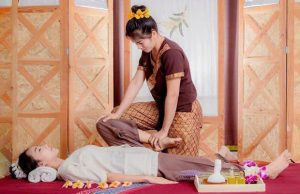
What Makes Authentic Thai Massage Unique?
Unlike more Westernized massage styles, authentic traditional Thai massage employs a broad repertoire of techniques designed not only to relax muscles but also to unblock energy pathways and promote holistic health.
The practitioner often uses their hands, elbows, knees, and feet, allowing for a deep, comprehensive therapy that manipulates the body’s whole system. Moreover, the focus on mindful touch and energy flow is what sets this practice apart, making it both physically and spiritually restorative.
Tailoring the Experience to Your Needs
A skilled Thai practitioner will customize the massage based on your body’s needs, addressing specific pain points, stiffness, or stress. If you have particular conditions or limitations, communicate openly so that your session can be adapted, ensuring a safe and beneficial experience.
Preparing for Your Authentic Traditional Thai Massage Experience
To truly benefit from an authentic traditonal thai massage, proper preparation and mental openness are essential. Various factors influence the quality of your experience, from choosing the right provider to understanding etiquette and expectations.
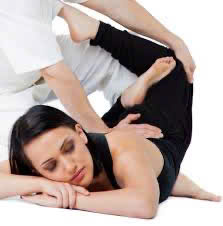
Selecting a Reputable Spa or Practitioner
The foundation of a meaningful Thai massage experience starts with choosing a reputable establishment. Look for:
- Certified practitioners with formal training from recognized institutions.
- Authentic traditional practices that respect cultural roots.
- Warm, tranquil environments that promote relaxation.
- Positive reviews or testimonials from previous clients.
Avoid overly commercialized or hurried services, as these often compromise quality. Traveling to local, well-regarded spas or health centers ensures authenticity and safety. Additionally, research the practitioner’s background and inquire about their experience with traditional techniques.
What to Wear and Bring
Since Thai massage is performed fully clothed, opt for loose, comfortable attire such as athletic wear or yoga clothes. Avoid tight or restrictive clothing that may hinder movement during stretches or manipulations.
It is also helpful to arrive well-hydrated and avoid heavy meals immediately before the session. Bringing a bottle of water or herbal tea can aid in hydration afterward.
Communicating Your Needs and Limits
Honest communication with your therapist enhances the session’s effectiveness. Share any health concerns, injuries, or areas of discomfort before starting. If a particular technique causes discomfort, don’t hesitate to request gentler pressure or adjustments.
Understanding your body’s signals and maintaining an open dialogue ensure a safe, personalized experience that maximizes benefits.
Setting the Right Mindset
Entering your traditional Thai massage with an open mind and willingness to relax deeply amplifies its healing effects. Approach the session as a holistic journey—not merely a physical treatment but an opportunity for mental clarity and spiritual renewal.
Embrace stillness and mindfulness during the massage, aligning your breathing with the practitioner’s rhythm, which can deepen relaxation and improve energy flow.
Maximizing Benefits and Maintaining Wellness Post-Session
The advantages of traditional Thai massage extend beyond the massage room, influencing your overall health and well-being. To sustain and amplify these benefits, it’s important to adopt mindful practices and lifestyle choices.
Post-Massage Self-Care Tips
After a session, your body needs gentle care to integrate the effects of the massage:
- Stay Hydrated: Drink plenty of water to flush out toxins and support muscle recovery.
- Rest and Relaxation: Give yourself time to unwind, avoiding strenuous activity immediately afterward.
- Stretching and Movement: Light stretching can prolong the benefits, especially if your session included extensive flexibility work.
Incorporating Thai Principles Into Daily Life
Many principles of traditional Thai massage—like mindfulness, energy balance, and gentle movement—can be incorporated into daily routines:
- Practice mindful breathing exercises to reduce stress.
- Engage in gentle stretching or yoga inspired by Thai techniques.
- Maintain a balanced diet and proper posture to support energy flow.
Regular Sessions for Lasting Results
While a single session can provide immediate relief, regular treatments—scheduled weekly or bi-weekly—are often more effective in maintaining physical flexibility, reducing stress, and fostering overall wellness. Find a rhythm that fits your health goals and lifestyle.
Complementary Therapies
To deepen your healing journey, consider integrating other traditional Thai health practices:
- Herbal therapies: Using herbal compresses or teas to boost immunity and relax muscles.
- Meditation and mindfulness: Cultivating mental clarity and emotional resilience.
- Thai traditional medicine: Consulting with practitioners on herbal remedies or holistic health advice.
Conclusion
Authentic traditional Thai massage is a profound journey into a centuries-old healing art, deeply rooted in Thailand’s spiritual and cultural heritage. Its unique combination of acupressure, stretching, and energy line work offers holistic benefits—promoting not just physical relaxation but mental clarity and spiritual harmony. Choosing qualified practitioners and approaching each session with openness can transform a simple massage into a deeply restorative experience. By embracing the principles of Thai healing, incorporating regular practices, and maintaining wellness habits, you can enjoy lasting benefits well beyond the massage table. Ultimately, experiencing traditional Thai massage is more than just relaxation; it’s an immersion into a mindful, balanced state of being that nourishes body, mind, and spirit.
Exploring the Historical Roots of Traditional Thai Massage
The rich tapestry of traditional Thai massage is woven through centuries of history, culture, and healing practices. Understanding its origins not only enhances the appreciation of the treatment but also provides insight into the holistic principles that continue to guide this ancient practice.
The Influence of Buddhism and Ayurveda
The history of Thai massage finds its roots intertwined with the philosophies of Buddhism and the ancient Indian healing system of Ayurveda.
Buddhism emphasizes a connection between the body and mind, promoting balance and well-being. This spiritual component significantly influences Thai massage, where practitioners are trained to focus on the flow of energy throughout the body. This balance is achieved not just through physical manipulation but through a meditative approach that resonates with many followers of Buddhist practices.
Additionally, the ancient wisdom of Ayurveda conveys the importance of energy balance within the body. Influenced by this system, Thai massage incorporates various techniques designed to enhance Prana, or life energy, by working along energy lines known as Sen. The aims are to promote physical healing and to encourage an overall state of well-being that resonates deeply with the holistic approach prevalent in both philosophies.
Historical Development: From Monk to Massager
The origins of traditional Thai massage can be traced back to around the time of the ancient Thai kingdoms, most notably during the Sukhothai period (13th – 15th centuries). Buddhasena, a physician from India, is attributed to bringing Ayurvedic healing practices to Thailand.
Monks who practiced Buddhism were often the first to be taught these techniques, leading to the development of massage therapy as a spiritual practice. Over time, these techniques transformed into a method of treatment for various ailments, with the focus on both physical and energetic healing.
From royal courts to local communities, these practices adapted and evolved, incorporating elements from Chinese medicine and various folk traditions. This historical influence contributed to the unique style that characterizes Thai massage today, blending multiple traditions into a comprehensive healing practice.
Modern Revival and Global Influence
In recent decades, there has been a resurgence of interest in traditional Thai massage, both within Thailand and globally. This revival has stemmed from a growing appreciation for holistic health practices and alternative therapies aimed at improving well-being.
Thai massage schools have emerged in various parts of the world, promoting authentic techniques taught by skilled Thai practitioners. Workshops, retreats, and training programs have proliferated, allowing more people to experience and share the art of Thai massage beyond its native borders. This globalization has not only popularized the practice but has also led to cultural exchanges that continue to enrich its development.
As understanding deepens about the health benefits of techniques rooted in ancient wisdom, the allure of traditional Thai massage lies not only in its effectiveness but also in its deep connection to history and culture.
The Principles of Energy Work in Traditional Thai Massage
Central to the concept of traditional Thai massage is the understanding and manipulation of energy. This principle reflects a profound belief that our physical bodies are expressions of energetical systems, and balancing this energy leads to optimal health and wellness.
Understanding the Sen Lines
The Sen lines are the energy pathways through which vital life force, or Prana, flows. There are said to be 72,000 Sen lines within the body, but traditional Thai massage primarily focuses on 10 main channels.
These lines are thought to connect various organs and systems within the body, creating a comprehensive network influencing overall well-being. During a massage session, practitioners apply pressure along these lines, facilitating the flow of energy and promoting healing.
By focusing on these points, a practitioner can restore balance and vitality, releasing blockages that create tension or discomfort. In effect, the work done on the Sen lines during traditional Thai massage may contribute to not only physical relief but also emotional and spiritual healing.
The Role of Breath in Energy Flow
Breathing plays a pivotal role in both the practice of Thai massage and the overall experience. The principle of breath—known as Pranayama in Yogic traditions—couples physical movement with mindful breathing.
During a session, practitioners often encourage clients to synchronize their breath with movements, facilitating a greater connection between body and mind. As the body stretches and releases, deep inhales and exhales help to ground the experience, enhancing relaxation and increasing the flow of energy.
Moreover, this conscious breathing promotes a meditative state that allows clients to fully immerse themselves in the experience, amplifying the transformative effects of the massage itself.
The Interconnection of Body, Mind, and Spirit
Traditional Thai massage emphasizes an integrative approach that embraces the body-mind-spirit connection. Practitioners understand that emotional blockages can manifest physically, and vice versa.
For instance, stress or anxiety can lead to muscle tension, while chronic pain can contribute to mental strain. In this tradition, addressing both the physical and the emotional is paramount to achieving lasting relief and harmony.
As such, during a session, the practitioner’s goal is not merely to alleviate surface-level discomfort but to foster an environment where clients feel safe to explore their emotional states. This holistic approach aligns with the broader techniques and philosophies of traditional healing practices that prioritize balance in all aspects of life.
Techniques and Styles within Traditional Thai Massage
The world of traditional Thai massage is diverse and enriched with varied techniques, each offering distinct benefits and experiences. Understanding these different styles enhances your approach to selecting the right therapy to meet your needs.
Classic Thai Massage Techniques
Classic Thai massage is often performed on a mat, which is conducive to the unique stretching techniques employed. The therapist guides the client through a series of gentle stretches, manipulations, and pressure points along the Sen lines.
These techniques can be dynamic, incorporating elements of yoga and acrobatics, which allows the practitioner to affect various muscle groups while improving flexibility and circulation. The result is a comprehensive full-body treatment that transcends the expectations of a typical massage experience.
Nuad Phaen Boran: The Ancient Healing Art
Nuad Phaen Boran, or “Ancient Massage,” is another traditional technique that employs acupressure and rhythmic rocking movements. This fosters deep levels of relaxation and energy balance.
Practitioners focus on applying gradual pressure along specific parts of the body, such as the back, legs, and shoulders, often using their hands, elbows, and feet. Lying on a mat allows both the practitioner and recipient to engage naturally with the flow of energy.
Herbal Compresses and Aromatherapy
A modern adaptation of traditional Thai massage often includes the use of herbal compresses or oils, enhancing relaxation and healing.
Herbal compresses are typically filled with a blend of locally sourced plants, such as lemongrass, ginger, and tamarind, providing additional therapeutic benefits. Heated and pressed onto the body, these aromatic packs help soothe sore muscles and invigorate energy.
Simultaneously, aromatherapy can further amplify the experience, as essential oils are incorporated to create an environment conducive to relaxation and healing.
Thai Healing Dance and the Importance of Rhythm
A lesser-known aspect of Thai massage includes the incorporation of healing dance rhythm. In some traditional practices, massages are infused with rhythmic movements akin to dance, promoting fluidity in movements and energy exchanges.
This aspect contributes to a unique experience—creating an engaging interplay between the practitioner and client that fosters deeper connection and enjoyment. The dance-like quality invites relaxation and enhances the energy flow through the manipulation of rhythm and movement, further enriching the healing process.
Conclusion
The art and tradition of traditional Thai massage is a timeless healing practice with deep cultural roots and a profound understanding of energy flow. Emphasizing balance between body, mind, and spirit, it offers a holistic approach to wellness that adapts to individual needs within its framework.https://www.google.com/knowledgegraphshares?sca_esv=41514daaec8f90aa&hl=vi&gl=vn&output=search&kgmid=/g/11ld8cgf50&q=Citymax+spa-+thai+massage-massage+home+service+bur+Dubai&shndl=30&shem=lspt11&source=sh/x/loc/act/m1/5&kgs
Through a combination of ancient influences, energetic principles, and diverse techniques, authentic Thai massage celebrates an integration that resonates with both physical relief and spiritual clarity. By immersing yourself in this enriching experience, you can unlock not just your body’s potential for healing, but also a deepened connection to your inner self and the world around you. Embrace the journey that is traditional Thai massage, and discover its transformative power in your pursuit of wellness.https://jobedubaispa.com/massage-7/