
Experience Authentic Traditional Chinese Massage for Ultimate Relaxation
In today’s fast-paced world, finding genuine relaxation methods can be challenging. One of the most time-honored practices to achieve profound relaxation and wellness is traditional Chinese massage. This ancient healing art combines meticulous techniques, a deep understanding of the body’s energy pathways, and a holistic approach to health. Embracing an authentic traditional Chinese massage offers not only physical relief but also mental clarity, emotional balance, and spiritual harmony. If you’re seeking a transformative experience rooted in centuries-old wisdom, this guide will immerse you in what makes traditional Chinese massage a timeless refuge for relaxation.
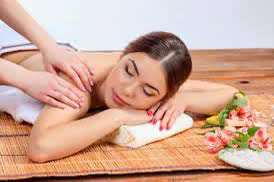
The Origins and Philosophy of Traditional Chinese Massage
Understanding the roots of traditional Chinese massage is essential to appreciate its depth and effectiveness. Developed over thousands of years, this practice is an integral part of Traditional Chinese Medicine (TCM) and is deeply intertwined with concepts such as Qi (energy), Yin and Yang, and the meridian system.
Unlike Western-style massages focusing solely on muscle relief, traditional Chinese massage adopts a holistic view of health. It aims to balance the body’s vital energy, improve circulation, and promote harmony between mind and body. This philosophy emphasizes that physical ailments often have underlying energetic or emotional causes; hence, treatment comprehensively addresses more than just symptoms.
Historically, these techniques were documented in ancient texts like the “Huangdi Neijing” (‘The Yellow Emperor’s Inner Canon’), which laid the groundwork for understanding meridians and acupoints. Through centuries, healers refined their methods, blending acupressure, manipulation, and cupping to craft a therapeutic experience that activates the body’s self-healing abilities. In the modern era, this tradition continues to evolve, combining age-old principles with contemporary wellness practices, making it increasingly embraced worldwide as an effective form of relaxation and health maintenance.
The Principles of Balance and Energy Flow
The core philosophy of traditional Chinese massage revolves around restoring balance within the body’s energy system. Practitioners believe that blockages or imbalances in Qi and blood circulation cause discomfort, disease, and stress.
The massage techniques aim to unblock meridians—pathways through which Qi flows. By stimulating specific acupoints along these pathways, the therapy encourages the smooth flow of energy, tackling both physical and emotional stagnation. When energy flows freely, the body’s natural ability to heal itself is enhanced, leading to relaxation and vitality.
Furthermore, a nuanced understanding of Yin and Yang—the fundamental duality in Chinese philosophy—guides practitioners in customizing treatments. For instance, a person with excess Yang (heat or agitation) might require cooling and calming techniques, whereas someone with excess Yin (coldness or stagnation) may benefit from warming manipulations. This tailored approach ensures that each massage session addresses the individual’s unique energetic state, promoting profound relaxation and overall health.

Techniques and Modalities Within Traditional Chinese Massage
traditional Chinese massage encompasses diverse techniques, each designed to stimulate specific points or areas, facilitate energy flow, and relieve tension. Some of the most common modalities include Tui Na, Cupping, Gua Sha, and acupressure.
Tui Na, often regarded as the backbone of traditional Chinese massage, involves rhythmic kneading, rolling, pressing, and stretching of muscles and soft tissues. It’s particularly effective in releasing deep-seated muscular knots, improving circulation, and enhancing the flow of Qi. The practitioner’s expert manipulation targets specific acu points and pathways, creating an intricate dance of pressure and release that achieves both physical and energetic benefits.
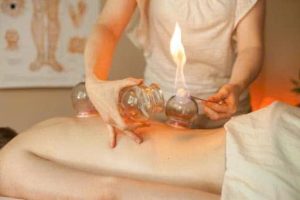
Cupping and Gua Sha are supplementary therapies widely used within the broader context of traditional Chinese massage. Cupping involves creating suction using glass or bamboo cups that lift the skin and underlying tissues, promoting blood flow and detoxification. Gua Sha, meaning “scraping sand,” uses a smooth-edged tool to scrape over the skin, stimulating microcirculation and releasing stagnation.
Overall, these techniques are designed with precision, integrating physical touch, energetic understanding, and traditional philosophies. Practitioners adept in these modalities tailor their approach to each individual’s needs, ensuring a deeply relaxing and therapeutic experience that resonates on multiple levels.
Preparing for an Authentic Traditional Chinese Massage Experience
Preparing oneself mentally, physically, and emotionally before indulging in traditional Chinese massage enhances the benefits and deepens relaxation. Unlike Western massages, which are often brief and fast-paced, authentic traditional Chinese treatments demand a calm mindset and openness to the process.
First, wear loose, comfortable clothing or be prepared to undress to a degree suitable for the therapy session, often covered with a sheet or blanket to maintain modesty and warmth. Hydration is vital; drinking plenty of water before and after the session helps flush out toxins worked loose during treatment, amplifying the therapeutic effects.
Creating a tranquil environment, whether at a professional spa or a well-equipped clinic, complements the experience. Soft lighting, calming music, and subtle scents like jasmine or sandalwood foster mental ease. Arriving with an open mind and positive intentions allows the practitioner to tailor the treatment to your specific needs, whether they concern muscular tension, stress relief, or energetic imbalances.
Proactively communicating with the therapist about your health status, pain points, and expectations is essential. Authentic Chinese massage practitioners value dialogue to personalize your experience, ensuring the most effective and satisfying outcome. Preparing mentally to embrace the process, with patience and gratitude, transforms the session into a journey of self-discovery and healing.
The Role of Mindfulness and Breathwork
A significant aspect of traditional Chinese massage is integrating mindfulness and controlled breathing techniques. During the session, practitioners often encourage clients to focus on their breath, helping to deepen states of relaxation.
Deep diaphragmatic breathing, coupled with focused attention on sensations, enhances the flow of Qi and calms the nervous system. Mindfulness not only heightens physical awareness but also facilitates emotional release, making the therapy more impactful. By consciously relaxing tense muscles and quieting an overactive mind, clients can achieve a meditative state that complements the physical manipulations.
This holistic integration—melding physical technique with mental focus—epitomizes the profound philosophy of traditional Chinese massage. It transforms a simple act of physical touch into a deeply immersive experience, fostering balance across body, mind, and spirit. Such preparation and mindset are crucial, allowing you to fully surrender and absorb the therapeutic effects of this ancient practice.
The Benefits and Health Advantages of Traditional Chinese Massage
The pursuit of relaxation through traditional Chinese massage offers far-reaching health perks, going beyond temporary relief to foster sustained well-being. The integrative approach, targeting physical, energetic, and emotional states, makes it a versatile therapy suited for various concerns.
Enhanced Circulation and Detoxification
One of the primary benefits is the stimulation of blood and lymphatic circulation. Better blood flow ensures that nutrients reach tissues efficiently while metabolic waste products are effectively removed. This process fosters healing, reduces inflammation, and enhances overall vitality. The suction and scraping techniques like cupping and Gua Sha further promote detoxification by mobilizing stagnant blood and lymph, encouraging the body’s natural cleansing process.
Muscle Tension Relief and Pain Management
Tui Na and acupressure, key components of traditional Chinese massage, deeply target muscular knots and tension. The manipulation unblocks energy pathways, alleviating pain from chronic conditions like lower back pain, neck stiffness, or migraines. Clients often report immediate relief coupled with a deep sense of ease. Over time, regular sessions can diminish the frequency and intensity of musculoskeletal discomfort, supporting long-term pain management.
Stress Reduction and Mental Clarity
Perhaps most renowned for its calming effects, traditional Chinese massage activates parasympathetic nervous system responses that lower cortisol levels and foster relaxation. As tension melts away from muscles and stressors are alleviated, mental clarity and emotional stability improve. Many individuals experience enhanced sleep quality, reduced anxiety, and a greater sense of well-being after consistent treatments.
Balancing Energy and Boosting Immunity
By stimulating acupoints and meridians, the therapy balances energetic flow, which is believed to strengthen the immune system. An unblocked, harmonious energy system aligns with improved resilience against illnesses, fatigue, and emotional imbalances. This holistic health boost underscores the remarkable integration of physiological and energetic components that define authentic traditional Chinese massage.
Specific Conditions Improved by Traditional Chinese Massage
A comprehensive understanding of the specific health issues benefiting from this therapy reveals its versatility. It is particularly effective for musculoskeletal disorders, stress-related conditions, and even digestive problems, owing to its systemic approach. From managing arthritis and fibromyalgia to alleviating insomnia, traditional Chinese massage offers a holistic pathway to health enhancement.
Why Choose an Authentic Traditional Chinese Massage Practitioner?
The effectiveness of traditional Chinese massage hinges on the practitioner’s skill, experience, and adherence to authentic principles. Choosing a qualified therapist ensures that you receive the full spectrum of benefits rooted in tradition.
Credentials and Training
Reputable practitioners often undergo rigorous training, studying TCM, anatomy, and therapy techniques from established schools or masters. Their education includes a comprehensive understanding of meridian pathways, acupoints, and energetic principles, allowing them to craft personalized treatment plans. Certifications from recognized Chinese medicine institutes further assure competence and adherence to professional standards.
Cultural Knowledge and Empathy
An authentic traditional Chinese massage therapist embodies not only technical expertise but also cultural awareness. They possess the sensitivity to interpret energetic imbalances and tailor treatments accordingly. Their empathy creates a safe, supportive environment where clients can fully relax and open up to the healing process.
Hygiene and Facility Standards
Cleanliness and a tranquil setting are essential to a successful massage experience. Well-established clinics uphold high standards of hygiene, ensuring safety, comfort, and a calming ambiance. These aspects are vital for maximizing relaxation and benefits, fostering trust between clients and practitioners.
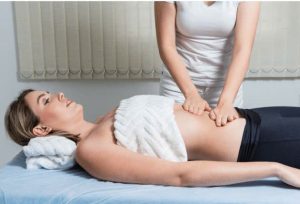
The Personal Connection and Trust
Building rapport with your practitioner enhances the efficacy of the therapy. When there is mutual trust and clear communication, therapists can better adjust their techniques to meet evolving needs during sessions. Authenticity also involves transparency about treatment goals, expected outcomes, and aftercare. Such relationships foster a deeper engagement with the therapy’s holistic philosophy, amplifying its impact and transforming a simple massage into a meaningful wellness journey.
Conclusion
Choosing to experience authentic traditional Chinese massage opens a pathway to profound physical, energetic, and emotional wellness. Rooted in centuries of wisdom, this ancient therapy emphasizes holistic balance, personalized care, and mindful practices. From its origins in Chinese philosophy to its integration with modern wellness trends, traditional Chinese massage continues to serve as a celebrated means of relaxation, healing, and rejuvenation. Its diverse techniques—including Tui Na, acupressure, cupping, and Gua Sha—work synergistically to promote circulation, relieve pain, balance energy, and foster mental clarity. Preparing mindfully and selecting skilled practitioners heightens the potential for transformative benefits. Whether to soothe chronic pain, reduce stress, or rejuvenate the body and spirit, embracing this authentic healing art promises an enriching experience grounded in tradition and tailored for ultimate relaxation.
Understanding the Principles of Traditional Chinese Medicine
Traditional Chinese Medicine (TCM) forms the philosophical foundation upon which traditional Chinese massage operates. This holistic knowledge system encompasses various therapies that aim to create and maintain balance within the body. Understanding these core principles enhances one’s appreciation for the therapeutic effects of massage and its applications in promoting health and wellness.
The Concept of Qi (Chi)
At the heart of TCM is the concept of Qi, often translated as “life force” or “vital energy.” This vital energy flows through the body via a network of pathways known as meridians. According to TCM, good health is a result of harmonious flow, while blockages or imbalances lead to illness.
Qi is thought to encompass both physical vitality and emotional well-being. For example, when individuals feel energized and positive, their Qi is flowing freely. Conversely, when feeling fatigued or low, it can indicate stagnation. Practitioners of TCM, including massage therapists, focus on unblocking these energy pathways, allowing Qi to circulate freely, thus restoring health and balance.
Understanding Qi allows individuals to reflect on their well-being holistically. It encourages awareness of the mind-body connection, leading to better lifestyle choices that enhance vitality and emotional equilibrium. Thus, recognizing the significance of Qi is foundational for anyone interested in traditional Chinese massage.
Yin-Yang Balance
Another essential principle of TCM is the yin-yang duality—representing opposite yet interdependent forces. Yin embodies qualities such as coolness, darkness, and passiveness, while yang signifies warmth, light, and activity. The balance of these forces is crucial for health.
In the context of traditional Chinese massage, achieving yin-yang equilibrium can involve stimulating yang energies when there’s too much stagnation or cooling down excessive yang when there are signs of stress or tension. Skilled practitioners intuitively assess a client’s condition and adapt their techniques to restore this balance.
This holistic view encourages clients to reflect on their lifestyles and stressors that may tip the scales toward either extreme. Such introspection can empower individuals to adopt proactive measures that promote overall well-being, further enhancing the benefits of the massage experience.
The Interconnectedness of Body, Mind, and Spirit
TCM operates on the understanding that the body, mind, and spirit are intricately linked. Physical ailments often have emotional components, just as emotional distress can manifest as physical pain. Therefore, a holistic approach incorporating mind-body-spirit alignment is crucial for healing.
Traditional Chinese massage takes into consideration this interconnectedness by not only targeting physical discomfort but also addressing mental and emotional well-being. Techniques such as acupressure can relieve physical tension while simultaneously promoting emotional release, allowing for a comprehensive healing experience.
For individuals seeking holistic well-being, recognizing this interconnectedness motivates them to approach health from multiple angles. Whether addressing work-related stress, emotional baggage, or physical ailments, traditional Chinese massage serves as a gateway to an integrated approach. Emphasizing the synergy between body, mind, and spirit lays a foundation for ongoing healthy practices that extend beyond the treatment room.
Common Techniques Used in Traditional Chinese Massage
Traditional Chinese massage employs various techniques that maximize the benefits of treatment. Each technique is designed to address different concerns while adhering to the fundamental principles of TCM. By exploring these specific methods, individuals can deepen their understanding of how they contribute to overall well-being.
Tui Na: Therapeutic Touch
Tui Na is one of the most prominent techniques within traditional Chinese massage. This method employs comprehensive hand techniques along with rhythmic pressure applied to specific points and meridians to stimulate healing.
The techniques utilized in Tui Na can vary widely, from gentle gliding motions to deeper, more forceful pressure. These varying touch modalities elicit different responses in the body, effectively addressing both chronic and acute conditions. One unique aspect of Tui Na is that it can also be tailored to engage the client in their healing process, encouraging dialogue about physical sensations experienced during the treatment.
Advancing the understanding of Tui Na further inspires a commitment to mindful practices. Clients develop awareness of their bodies and learn to recognize areas of tension and discomfort that may need attention. This engagement enhances not only the effectiveness of the massage but also instills lifelong wellness habits.
Acupressure: Point of Relief
Acupressure is another critical technique used in traditional Chinese massage. It involves the application of firm pressure to specific acupoints on the body. By stimulating these points, practitioners can release blockages in the flow of Qi and promote healing.
The fundamental philosophy underpinning acupressure is that each acupoint corresponds to distinct organs and functions. Clients often seek acupressure specifically for issues such as headaches, digestive problems, and tension relief. By mastering acupressure techniques, practitioners can navigate complex emotional and physical issues that clients may face.
Understanding the nuances of acupressure encourages a proactive approach to health. Clients begin to recognize symptom patterns associated with specific points, allowing for self-care techniques that extend beyond massage sessions. They can cultivate a greater awareness of their health and well-being as they learn to tap into the body’s natural healing capabilities.
Cupping and Gua Sha: Enhancing Detoxification
Cupping and Gua Sha are two additional techniques that complement the principles of traditional Chinese massage. Both methods are known for their detoxifying properties and their ability to promote circulation.
Cupping involves the placement of suction cups on the skin to create a vacuum effect, drawing blood to the surface and enhancing local circulation. This technique is particularly effective for muscle tension and chronic pain relief. Many individuals leave sessions with circular marks on their skin—indicating the detoxification process is underway and blood flow is improving.
Gua Sha, involving the scraping of the skin with a smooth-edged tool, enhances circulation and reduces inflammation. This approach also promotes lymphatic drainage, contributing to detox effects and supporting overall health.
By integrating cupping and Gua Sha into their practice, therapists can increase the benefits of traditional Chinese massage. Clients often experience deeper releases of tension and ongoing improvements in their overall health. Embracing these techniques not only enriches the massage experience but also celebrates the transformative potential embedded in traditional Chinese practices.https://www.google.com/knowledgegraphshares?sca_esv=41514daaec8f90aa&hl=vi&gl=vn&output=search&kgmid=/g/11ld8cgf50&q=Citymax+spa-+thai+massage-massage+home+service+bur+Dubai&shndl=30&shem=lspt11&source=sh/x/loc/act/m1/5&kgs
Conclusion
Exploring the principles and techniques of traditional Chinese massage illuminates its profound therapeutic effects. By grounding the practice in the philosophies of Traditional Chinese Medicine, the focus shifts to holistic wellness and interconnectedness. The intricate concepts of Qi, yin-yang balance, and the mind-body-spirit connection provide valuable frameworks for understanding health. Various techniques—such as Tui Na, acupressure, cupping, and Gua Sha—enhance the experience further by addressing both physical and emotional concerns. Embracing authentic traditional Chinese massage not only fosters relaxation and healing but also inspires a lifelong commitment to well-being and self-discovery.https://jobedubaispa.com/ayurvedic-massage-therapy/