
Why People Prefer Thai Massage Stretching Over Other Therapies
Thai massage stretching has rapidly gained recognition around the world as an effective method for relieving stress, improving flexibility, and enhancing overall well-being. Rooted deeply in traditional Thai healing practices, thai massage stretching offers a unique therapeutic experience that combines gentle acupressure, rhythmic stretching, and mindful relaxation. Many individuals seeking alternative therapies turn to thai massage stretching because it provides holistic health benefits distinct from conventional massage techniques. As we explore this vibrant therapy, the focus will be on understanding what is thai massage stretching, how it differs from thai herbal compress massage, the various types, benefits, and why it continues to attract so many enthusiasts globally.
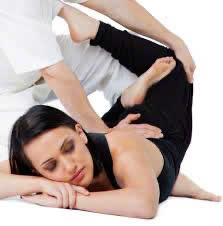
Thai massage stretching
Thai massage stretching is a therapeutic practice that intricately combines stretching techniques and energy work to promote healing and relaxation. This therapy is often performed on a mat on the floor, with the recipient fully clothed, allowing the practitioner to manipulate the body using gentle pulls, stretches, and pressure points. The underlying philosophy emphasizes balancing the body’s energy flow, or Sen, through precise movements that open blockages and restore harmony.
The allure of thai massage stretching lies in its deep-rooted tradition and its holistic approach that addresses physical, mental, and energetic imbalances simultaneously. Unlike standard massage therapy that mainly targets superficial muscles, thai massage stretching delves deep into muscle and fascia layers, facilitating a comprehensive release of tension. Often, this technique involves synchronized breathing, which amplifies relaxation and integrates mind-body awareness.
Furthermore, thai massage stretching is highly customizable, allowing practitioners to adapt the pressure and movements based on each individual’s needs. It can be vigorous for athletes needing muscle relief or gentle for those seeking relaxation and stress reduction. This versatility, paired with its cultural richness and mind-body connection, explains why many prefer thai massage stretching over purely clinical therapies.
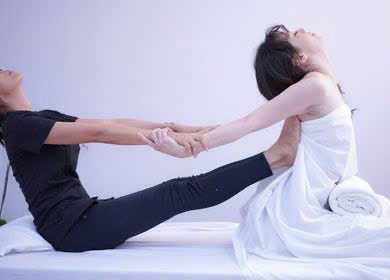
The Roots of Thai Massage Stretching
The origins of thai massage stretching trace back thousands of years, influenced by Ayurvedic medicine, Chinese medicine, and indigenous traditions. The practice has evolved through generations, preserved through meticulous technique transfer and continuous refinement. Today, it harmonizes traditional wisdom with modern clinical insights, making it relevant and effective for diverse populations.
The Integration with Meditation and Breathing
An essential aspect that sets thai massage stretching apart from other therapies is the integration of mindful breathing and meditation. During the session, both practitioner and recipient often focus on synchronized breath patterns, which deepen relaxation and facilitate the release of emotional tension. This mindfulness component enhances the physical benefits by calming the nervous system and increasing awareness of bodily sensations, leading to a profound sense of well-being.
How It Differs from Other Massage Techniques
Compared to Swedish or deep tissue massage, thai massage stretching emphasizes active engagement through stretching and energy work rather than passive manipulation. This approach requires more participation from the recipient and offers an energetic dimension that many find healing. Additionally, because no oils are typically used, it suits those with sensitive skin or preferences for a mess-free experience.
What is thai massage stretching
What is thai massage stretching? It’s a therapeutic procedure that combines elements of acupressure, yoga-like stretching, and energy work rooted in Thai healing traditions. Unlike massage styles that focus solely on muscles, thai massage stretching aims to work with the body’s energy pathways, promoting overall health and relaxation.
This technique mainstreams the concept of using gentle, rhythmic manipulations to encourage flexibility and reduce stress. Thai massage stretching typically involves the practitioner moving the client’s limbs through precise, controlled stretches while applying pressure to specific points along the body’s energy lines. While some sessions can be vigorous, others are deliberately slow and calming, based on the client’s needs.
The core philosophy behind what is thai massage stretching revolves around harmonizing the Sen energy lines, which are believed to influence physical and emotional health. Practitioners map these lines and apply their techniques accordingly, blending physical stretches with energetic clearing to achieve optimal healing.
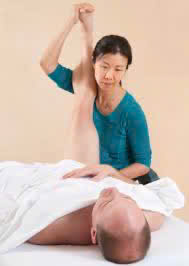
Principles and Techniques of Thai Massage Stretching
The fundamental principles of what is thai massage stretching include the use of Thai medicine principles like energy balancing, gentle manipulation, and mindfulness. Techniques involve passive stretching, rhythmic compression, and targeted acupressure. When carefully combined, these methods facilitate muscle elongation, improve circulation, and enhance lymphatic drainage.
The Role of Practitioner and Client in What Is
In understanding what is thai massage stretching, it’s essential to recognize the partnership between practitioner and client. The practitioner guides the client’s body through various stretches, often in a sequence that aligns with the body’s energy flow. Clients are encouraged to relax and breathe deeply, allowing their body to accept the movements.
The Experience and Sensations
Participants often describe what is thai massage stretching as a deeply relaxing and energizing experience simultaneously. The blend of stretching and pressure tends to produce a sensation of releasing tension, expanding flexibility, and alleviating emotional stress. The gentle, deliberate movements stimulate the nervous system in a way that promotes inner calm and physical relief.
Applications and Suitable Candidates
What is thai massage stretching is suitable for a broad spectrum of individuals, including those recovering from injury, athletes, pregnant women (with adjustments), and older adults seeking mobility improvements. Its adaptable nature makes it a versatile choice for both therapeutic and restorative purposes.
What difference between thai massage stretching and thai herbal compress massage
Many interested clients often ask, what is the difference between thai massage stretching and thai herbal compress massage. While both are traditional Thai therapies, they serve different purposes and employ distinct techniques. Understanding their differences helps in choosing the most suitable therapy for individual needs.
Technique and Application
Thai massage stretching utilizes active and passive stretching, pressure point work, and energy balancing to release muscular and energetic blockages. It involves physical manipulation of the body in a rhythmic, flowing manner. Conversely, thai herbal compress massage involves steaming herbal compresses pressed and massaged onto specific body areas to deliver medicinal ingredients deep into tissues. The therapist moves the compresses in circular or pressing motions, creating warmth and promoting detoxification.
Focus and Benefits
The main focus of thai massage stretching is on flexibility, tension release, and energetic harmony. It aims at physical and mental relaxation, often targeting musculoskeletal issues and emotional stress. Thai herbal compress massage, on the other hand, emphasizes heat therapy combined with herbal medicine to boost circulation, reduce pain, and detoxify the body.
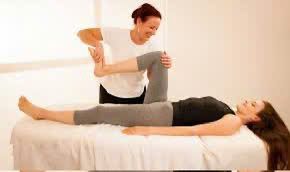
Duration and Sensory Experience
Thai massage stretching sessions are typically longer and involve active engagement, which can evoke feelings of openness and release. The experience often combines gentle stretching with direct physical contact. The thai herbal compress massage sessions are usually shorter, with the warmth and aromatic herbal scents creating a comforting sensory environment focused on relaxation and healing.
Combining Techniques for Optimal Health
Many Thai therapists integrate thai massage stretching with herbal compress techniques for a comprehensive approach, addressing both muscular tension and immune support. This holistic combination enhances overall wellness, making it a preferred choice for clients seeking a multi-dimensional experience.
Summary Table:
| Aspect | Thai Massage Stretching | Thai Herbal Compress Massage |
|---|---|---|
| Technique | Stretching, acupressure, energy work | Herb compress pressing and steaming |
| Primary Focus | Flexibility, tension release, energy balancing | Heat therapy, detoxification, pain relief |
| Sensory Experience | Rhythmic stretches, physical manipulation | Warmth, aromatic herbal scents |
| Duration | Usually longer, 60-90 minutes | Shorter, 45-60 minutes |
| Suitable For | Muscle recovery, flexibility, stress relief | Pain, inflammation, detoxification |
| Application | Active participation, layered therapy | Passive, soothing, herbal aromatic experience |
Types of thai massage stretching that relief stress
Stress relief is one of the most sought-after benefits of thai massage stretching. Different types focus on specific techniques that optimize relaxation, alleviate muscular tension, and promote mental clarity. Below are some prominent types, each with unique characteristics that help individuals unwind from everyday stressors.
Lazy Yoga or Passive Stretching
This type involves gentle, slow stretches guided by the practitioner, aiming at relaxing tight muscles and calming the nervous system. It resembles a version of passive yoga, where the recipient remains relaxed while the therapist moves their limbs into positions that stretch connective tissues.
The main benefit is that it allows stress to melt away via slow muscle elongation, which suppresses cortisol levels and encourages a meditative state. It’s particularly suitable for individuals new to massage or those with high anxiety levels.
Dynamic Thai Stretching
A more active form, dynamic Thai stretching incorporates flowing movements that mimic yoga sequences to increase blood flow, reduce stiffness, and energize the mind-body connection. This type often involves coordinated breathing and movement patterns that foster a sense of vitality and mental alertness.
Dynamic stretching is well-suited for athletes and active individuals but can also benefit those seeking to break free from mental fatigue. It revitalizes the body while simultaneously alleviating stress through rhythmic, invigorating motions.
Energizing Stretching for Stress Release
This style combines vigorous stretching with acupressure points designed to stimulate energy flow and release emotional blockages. It tends to be a more active session, focusing on targeted problem areas like the shoulders, neck, and back – common culprits of stress and tension.
The therapeutic goal here is to invigorate the body physically and mentally, allowing trapped emotions to be released along with muscular tension. Many people report feeling lighter, more centered after this type, embodying a sense of newfound calmness.
Incorporating Mindfulness and Breathwork
A notable feature of stress-relieving thai massage stretching is the integration of mindfulness and conscious breathing. This method enhances the physical benefits by calming the mind, improving oxygen flow, and inducing a relaxation response that counters chronic stress.
Practitioners may guide clients through breathing exercises during stretching, reinforcing a mental state of peace that prolongs the therapy’s calming effects outside the session.
Why These Techniques Are Effective
Each of these types leverages slow, deliberate movements, deep breathing, and gentle pressure to deactivate stress pathways and activate relaxation responses. The adaptability of thai massage stretching means practitioners can tailor sessions to individual stress levels and physical capabilities, making therapy accessible and impactful.
Personal Insights and Efficacy
From a personal perspective, the effectiveness of these stretching types lies in their ability to engage both body and mind. The rhythmic, flowing movements create a meditative rhythm that encourages present-moment awareness, dissolving mental clutter. The physical release of muscular tension directly correlates with improved emotional stability, proving that gentle bodywork can be a powerful tool for mental health.
Benefits of thai massage stretching
The advantages of thai massage stretching extend beyond mere muscle relaxation. Its holistic approach makes it a popular choice for enhancing physical health, emotional well-being, and functional mobility. Understanding these benefits helps explain why an increasing number of people turn to this therapy.
Physical Health Benefits
Thai massage stretching effectively alleviates muscular tension, improves flexibility, and enhances joint mobility. By gently stretching muscles and fascia, it reduces stiffness, relieves acute or chronic pain, and supports post-injury recovery processes. It also stimulates circulation, promoting better oxygen and nutrient delivery to tissues—vital for healing and vitality.
Moreover, practitioners often observe improvements in posture and balance, especially for individuals with sedentary lifestyles or those suffering from postural imbalances. This proactive approach minimizes the risk of injury and supports overall musculoskeletal health.
Mental and Emotional Benefits
One of the primary reasons benefits of thai massage stretching are widely appreciated is its ability to dramatically reduce stress and promote mental clarity. The combination of rhythmic movements, mindful breathing, and meditative focus induces a profound relaxation response, which diminishes cortisol levels and supports emotional stability.
Many clients report feeling mentally lighter, less anxious, and more balanced after sessions—emotional resilience that can extend into everyday life. Additionally, the therapy encourages self-awareness, helping individuals tune into their body signals and emotional state.
Detoxification and Energy Balance
Thai massage stretching plays a crucial role in stimulating lymphatic flow, aiding in body detoxification. It can help eliminate toxins accumulated through stress, poor diet, or environmental exposure. By improving energetic flow within the body, it revitalizes the immune system and enhances overall vitality.
Practitioners often combine thai massage stretching with other traditional Thai techniques like herbal compresses or meditation, further amplifying the benefits. The resultant sense of renewed energy and detoxification underscores its therapeutic value.
Long-Term and Preventative Advantages
Regular sessions can have cumulative benefits, preventing the development of chronic tension, stiffness, or postural issues. It promotes a healthier, more mobile body capable of handling daily stresses and physical demands with ease. Consequently, why most of people like thai massage stretching is rooted in its capacity to serve as both a potent short-term relief and a sustainable lifestyle practice.
Side Effects and Precautions
While generally safe, thai massage stretching should be performed by trained professionals, especially for individuals with specific health conditions. Overly vigorous stretching or improper technique can cause discomfort or injury. However, when skillfully applied, its benefits significantly outweigh potential risks, making it a trusted complementary therapy worldwide.
Why most of people like thai massage stretching
The universal appeal of thai massage stretching is driven by its multifaceted approach that caters to body, mind, and spirit. It strikes a delicate balance between physical therapy and relaxation, offering a feeling of renewal that many find hard to replicate with conventional therapies.
Its Holistic Nature and Personalized Approach
People appreciate that thai massage stretching is personalized and adaptable. Whether the goal is deep tissue relaxation, emotional release, or increased flexibility, therapists tailor the session accordingly. This individual-centered approach fosters a sense of being cared for, enhancing the therapeutic experience.
Its Cultural and Spiritual Roots
The rich history and cultural significance behind thai massage stretching foster a connection that goes beyond physical benefits. Its roots in Thai spiritual practices imbue the therapy with a sense of tradition and authenticity, appealing to those seeking more meaningful healing experiences.
Accessibility and Versatility
Another reason for its popularity is accessibility. The technique requires no special equipment or oils, making it suitable for various environments and preferences. It can be offered in spas, wellness centers, or even at home with trained practitioners, broadening its reach.
Its Effectiveness for Modern Lives
In the context of contemporary stressors—long work hours, sedentary lifestyles, high mental demands—thai massage stretching provides an effective escape. Its ability to quickly relax tense muscles, calm the mind, and restore vitality resonates with busy individuals seeking accessible relief.
Cultural and Personal Testimonials
Over the years, countless personal stories testify to why most of people like thai massage stretching. They describe feelings of liberation from pain, emotional release, and a renewed zest for life. This collective testimonial further cements its status as a beloved therapy.https://www.google.com/knowledgegraphshares?sca_esv=41514daaec8f90aa&hl=vi&gl=vn&output=search&kgmid=/g/11ld8cgf50&q=Citymax+spa-+thai+massage-massage+home+service+bur+Dubai&shndl=30&shem=lspt11&source=sh/x/loc/act/m1/5&kgs
Conclusion
Thai massage stretching combines ancient wisdom with modern therapeutic techniques, making it a preferred choice for those seeking relief from stress, pain, and emotional imbalance. Its distinctive focus on stretching, energy balancing, and mindfulness sets it apart from other therapies, offering a comprehensive path toward physical health and mental clarity. From its roots in traditional Thai medicine to its adaptation for contemporary wellness needs, the practice continues to resonate deeply with many individuals worldwide. Its versatility, profound benefits, and cultural richness explain why most people like thai massage stretching, affirming its place as a vital component of holistic health.https://jobedubaispa.com/aromatherapy-massage-treatment/