
Sport Massage Benefits for Athletes | Enhance Performance & Recovery
In the competitive world of athletics, every advantage counts. Athletes constantly seek ways to improve their performance, prevent injuries, and accelerate recovery. One effective approach that has gained widespread popularity is sport massage. This specialized form of massage therapy is tailored to meet the unique needs of athletes at all levels. By incorporating sport massage into their routines, athletes can experience profound benefits that enhance their physical and mental health, ensuring they perform at their best and recover efficiently.
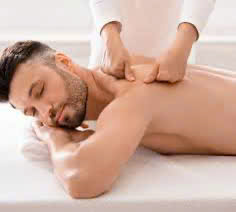
Understanding Sport Massage: An Essential Tool for Athletes
Sport massage is a therapeutic technique designed specifically for athletes, whether amateur or professional. Its primary goals are to prepare the body for peak performance, prevent injuries, and facilitate rapid recovery after intense physical activity. Unlike traditional massages, sport massage emphasizes specific muscle groups used in particular sports, incorporating techniques that improve flexibility, reduce muscle tension, and promote circulation.
Before diving into the numerous benefits, it is essential to understand what distinguishes sport massage from other massage modalities. By tailoring each session to the athlete’s individual needs and sporting demands, sport massage ensures targeted treatment that enhances athletic performance overall.
The Evolution of Sport Massage
The origins of sport massage can be traced back to the early 20th century when sports physicians first recognized the importance of physical therapy in athletic training. Since then, sport massage has evolved significantly, integrating insights from sports science, physiology, and manual therapy. Today, it is an indispensable part of an athlete’s training regimen, complemented by proper nutrition, rest, and training protocols.
Practitioners customize each massage session based on the athlete’s sport, training load, injury history, and current physical status. The main goal is to optimize the body’s ability to handle stress, recover from exertion, and prevent injuries before they occur. This personalized approach is what makes sport massage stand out among other recovery and performance-enhancing techniques.
Role of a Certified Sport Massage Therapist
A qualified sport massage therapist is trained not only in advanced massage techniques but also in understanding athletic anatomy, biomechanics, and common sports injuries. They assess the athlete’s physical condition, identify tight or tender areas, and develop tailored treatment plans. Working closely with coaches, physiotherapists, and sports medicine specialists, these therapists play a vital role in an athlete’s health and performance.
The collaboration ensures that massage therapy supports overall training goals, reduces downtime, and targets specific issues such as muscle strains or joint instability. Professional sport massage is thus a strategic component of athlete care, emphasizing prevention and longevity as much as immediate performance gains.
How Sport Massage Enhances Athletic Performance
For athletes, performance is the outcome of optimal physical and mental preparedness. Sport massage contributes to this by improving various bodily functions and movement patterns that directly influence athletic output. Regular sessions can result in increased strength, flexibility, endurance, and mental focus—each crucial for outstanding performance.
Before understanding the detailed benefits, consider that a well-informed sport massage routine is akin to fine-tuning a high-performance machine. It ensures that every component works harmoniously, reducing inefficiencies and optimizing output.

Improving Circulation and Oxygen Delivery
Efficient blood flow is critical for athletic performance. It delivers oxygen and nutrients to muscles, removes metabolic waste products, and facilitates tissue repair. Sport massage techniques like effleurage and petrissage stimulate circulatory pathways, reducing blood viscosity and promoting vasodilation.
Enhanced circulation means muscles receive more oxygen during activity, increasing endurance and reducing fatigue. Post-exercise, improved blood flow helps clear lactic acid and other by-products that cause soreness and stiffness. Athletes who incorporate sport massage into their training often report quicker recovery, enabling them to maintain high-intensity training over longer periods.
Flexibility and Range of Motion
Muscle tightness and restricted joints are common barriers to peak athletic performance. Sport massage targets these issues by manually stretching muscles, breaking down adhesions, and loosening fascia. Techniques such as myofascial release and deep tissue work improve tissue elasticity, which results in greater flexibility.
A broader range of motion enhances an athlete’s ability to execute sports-specific movements with precision, speed, and power. For example, a gymnast’s flexibility and a sprinter’s stride length can be significantly improved through consistent sport massage therapy. Over time, increased mobility also reduces the risk of strain-related injuries, allowing athletes to train more effectively and confidently.
Reducing Muscle Tension and Fatigue
Muscle fatigue is a common hindrance in athletic performance, often leading to decreased strength, coordination, and increased injury risk. Sport massage helps alleviate accumulated tension by releasing muscle knots and reducing hypertonicity.
By mechanically releasing tension points, massage restores muscle balance and functional efficiency. This relaxation has a calming psychological effect as well, helping athletes maintain focus during training or competition. Regular sessions can prevent chronic tightness, enabling athletes to sustain high-performance states and recover faster from strenuous workouts.
Mental Focus and Stress Relief
Beyond the physical realm, sport massage is highly effective for mental relaxation. The physical touch and calming environment help reduce stress hormones like cortisol, promote relaxation, and improve sleep quality. For athletes, mental clarity and emotional stability are just as crucial as physical readiness.
Massage therapy can also boost confidence and motivation. When the body feels relaxed and well-cared for, athletes often find it easier to concentrate, visualize success, and stay committed to their training. This holistic benefit underpins many top-tier athletes’ regular use of sport massage as part of their mental preparation and resilience-building strategies.
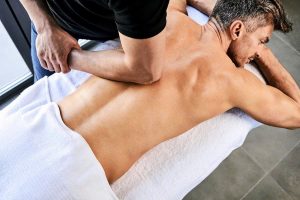
Injury Prevention and Treatment Through Sport Massage
Injuries are an inevitable part of sports, but many can be mitigated or managed effectively through proactive sport massage. Regular therapy helps maintain muscle balance, identify early signs of strain, and facilitate healing before minor issues develop into serious problems.
Understanding how sport massage functions as both a preventative and rehabilitative tool reveals its importance within an athlete’s health management plan.
Proactive Strategies for Injury Prevention
The best defense against injury is a well-maintained musculoskeletal system. Sport massage plays a crucial role in preempting strain-related injuries by keeping muscles supple, reducing adhesions, and ensuring optimal joint mobility.
Imagine a marathon runner with tight hamstrings and stiff calves—these issues are prime contributors to strains or tears if left unaddressed. By implementing regular sport massage, these tight areas can be kept loose, maintaining flexibility vital for high-performance sports.
Moreover, sport massage allows therapists to spot early signs of overuse or weakness. Subtle tenderness or irregularities can be addressed proactively, modifying training loads or recommending specific stretches or exercises to prevent injury.
Accelerating Recovery after Injury
When injuries occur, swift and effective treatment is critical. Sport massage accelerates healing by increasing blood flow to affected areas, reducing swelling, and breaking down scar tissue. Techniques such as lymphatic drainage can be employed to reduce edema, while deep tissue work promotes realignment of fibers within injured tissues.
In the rehabilitation phase, sport massage complements physiotherapy, offering pain relief and restoring functional movement. For example, a baseball pitcher recovering from rotator cuff strain can benefit from targeted massage to regain mobility and strength.
The key to successful injury management lies in personalized treatment plans that address the specific injury type, severity, and stage of healing. A professional sport massage therapist collaborates with medical specialists to ensure optimal recovery outcomes, allowing athletes to return to competition stronger and more resilient.
Long-Term Benefits: Building Resilient Musculoskeletal Systems
Consistent sport massage not only treats current problems but also fortifies the body’s defenses against future injuries. Regular therapy maintains muscle balance, flexible connective tissue, and joint health—cornerstones of durable athletic performance.
By integrating sport massage into their training regimen, athletes promote long-term musculoskeletal resilience, patience with proper recovery protocols, and the maintenance of peak physical condition over time.
Sport Massage and Recovery Optimization
Athletic recovery encompasses more than just rest; it involves active processes to restore the body’s structural, energetic, and mental states. Sport massage is a key element of this recovery landscape, seamlessly blending physical therapy with relaxation techniques that promote healing.
Effective recovery strategies not only reduce soreness but also prepare athletes for upcoming challenges, maintaining their competitive edge. Understanding how sport massage optimizes recovery sheds light on its indispensable role in athletic success.
Reducing Delayed Onset Muscle Soreness (DOMS)
Delayed Onset Muscle Soreness (DOMS) is common after unfamiliar or intense training sessions, often leading to stiffness and discomfort that can impair subsequent performance. Sport massage has been shown to mitigate DOMS through various mechanisms.
By stimulating blood and lymphatic flow, sport massage enhances the removal of metabolic by-products responsible for soreness. Gentle massage also promotes tissue elasticity, alleviating stiffness. Athletes often report feeling less sore and more functional after massage sessions, enabling them to maintain rigorous training schedules.
Enhancing Sleep and Mental Recovery
Sleep quality significantly influences physical repair and mental focus. The relaxing effects of sport massage can improve sleep duration and depth by decreasing cortisol levels and promoting parasympathetic nervous system dominance.
Mental recovery is just as vital—the calming environment fosters stress relief, reduces anxiety, and enhances emotional well-being. Athletes with better sleep and mental clarity tend to perform better, with increased focus and decreased risk of burnout or mental fatigue.
Facilitating Post-Event Recovery
Post-competition recovery is critical in preventing overtraining and injury. Sport massage helps flush out waste products accumulated during strenuous activity, decreases muscle tension, and facilitates tissue repair.
A well-timed massage after an event can restore balance, soothe aching muscles, and reset the athlete physically and psychologically. Coaches and trainers increasingly recognize sport massage as an integral component of their post-event protocol, ensuring athletes rebound promptly and prepare for future challenges.
Conclusion
Sport massage stands as a cornerstone of modern athletic care, offering a comprehensive suite of benefits that span performance enhancement, injury prevention, and efficient recovery. Its tailored techniques improve circulation, flexibility, and muscle balance, directly translating into improved athletic output. Moreover, by addressing both the physical and mental aspects of performance, sport massage fosters resilience, reduces fatigue, and promotes overall well-being. Whether preparing for competition, recovering from injury, or seeking to maintain peak condition, athletes who integrate sport massage into their routines position themselves at a significant advantage—empowering them to train harder, perform better, and sustain their careers longer.
The Psychological Benefits of Sport Massage
While the physical advantages of sport massage are well documented, the psychological benefits it offers are equally significant. Psychologically, athletes deal with immense pressure, including performance anxiety, emotional highs and lows, and the constant drive for improvement. By integrating sport massage into their routines, athletes can find much-needed psychological relief that enhances their performance both on and off the field.
Exploring the mental health aspects of sport massage unveils a deeper understanding of how athletes can achieve peak performance through holistic self-care strategies.
Enhancing Focus and Concentration
A central aspect of sports psychology revolves around maintaining optimal focus and concentration. Sport massage directly contributes to this by providing a physical escape from competitive stressors. The soothing touch and improved circulation bring the mind to a state of calm, which allows athletes to regroup before competitions or rigorous training sessions.
When an athlete is physically relaxed, they can redirect their mental energy toward strategic game planning and visualization. This mind-body connection cultivates clarity, enabling athletes to concentrate on the tasks at hand without being bogged down by anxiety or self-doubt. For instance, a cyclist preparing for a crucial race may find that a pre-race massage session helps them hone in on their pacing strategy, reducing the cognitive load that can lead to performance errors.
Additionally, the rhythmic motions and sensory experiences during sport massage can induce a meditative state, further enhancing concentration. Such mental rehearsals serve to solidify performance intentions and strategies, ultimately improving an athlete’s execution during competition.
Stress Relief and Emotional Balance
Stress and anxiety often accompany athletic endeavors due to intense training schedules, high stakes competitions, and personal expectations. Regular sport massage is an excellent tool for mitigating these negative emotional states. It lowers cortisol levels, the hormone responsible for stress, and increases the release of endorphins—neurochemicals that promote feelings of happiness and relaxation.
This powerful combination leads to improved emotional well-being, allowing athletes to better manage the inherent ups and downs of their careers. Consider a competitive swimmer who faces the pressures of Olympic trials. Engaging in sport massage not only eases muscle tension but also enables them to navigate the emotional turmoil associated with such high-stakes environments.
Furthermore, the therapeutic space created by sport massage encourages athletes to cultivate a deeper relationship with their emotional health. By setting aside time for self-care, they foster resilience against psychological fatigue. Athletes acknowledging and addressing their mental states through regular therapy are better equipped to maintain perspective and manage setbacks.
Building Resilience and Mental Toughness
Mental toughness is a coveted attribute in an athlete’s arsenal, fostering persistence, grit, and an unyielding pursuit of excellence. Integrating sport massage into training not only mitigates physical stressors but also builds psychological resilience.
The consistent care and attention provided through sport massage reflect a commitment to self-improvement, empowering athletes to rise to the challenge of adversity. When athletes invest in their physical well-being, they send a powerful message to themselves regarding their abilities and potential. By regularly receiving massages and thereby prioritizing their health, athletes cultivate a resilient mindset that transcends the sports arena and permeates their everyday lives.
Regular massage therapy can also serve as a moment of reflection, allowing athletes to connect with their internal goals and aspirations. Visualizing success during these sessions can enhance motivation, serve as a reminder of past achievements, and help foster a growth-driven mindset. As athletes learn to embrace discomfort through physical therapy, they become better equipped to face challenges, whether they manifest as training setbacks or competitive pressure.
Sport Massage Techniques and Their Specific Benefits
The world of sport massage comprises various techniques tailored to meet the distinct needs of athletes. In this section, we will explore some of the most notable methods and their specific benefits. Each technique has unique applications that enhance performance, alleviate pain, and promote recovery, ensuring that athletes can maximize their potential.
Understanding these techniques will empower athletes and trainers to select the right approach based on individual goals and requirements.
Swedish Massage: Relaxation and Recovery
Swedish massage is perhaps the most well-known massage technique, characterized by long, flowing strokes and kneading of the muscles. This modality is particularly effective in promoting general relaxation, reducing muscle tension, and facilitating the recovery process after workouts.
For athletes, Swedish massage can be an excellent choice post-competition or rigorous training sessions. By improving circulation, it aids in the removal of metabolic waste products, effectively accelerating the recovery timeline. The soothing effects also help lower stress levels, promoting emotional balance and encouraging a positive mental state.
Athletes often find this technique particularly beneficial after high-stakes events. As physical fatigue lingers, a Swedish massage can serve as a form of active recovery that complements their overall training regimen.
Deep Tissue Massage: Targeting Specific Muscle Groups
Deep tissue massage focuses on the deeper layers of muscle and connective tissue, making it ideal for addressing chronic pain and areas of tension. This technique employs slow strokes and firm pressure, allowing therapists to access specific muscle groups and release stubborn knots or adhesions.
Athletes engaged in intense training, such as weightlifting or sprinting, often develop localized muscle tightness that impacts their performance. Deep tissue massage can effectively restore flexibility and alleviate discomfort in areas like the lower back, shoulders, or legs.
One notable advantage of deep tissue massage is its ability to promote healing in connective tissue, ensuring that athletes maintain optimal mobility long-term. By encouraging realignment of muscle fibers and reducing scar tissue, deep tissue techniques contribute significantly to injury prevention and overall athletic performance.
Sports Massage: Prehab and Rehab Support
Sports massage is specifically designed for athletes, combining elements of various techniques to address their unique needs. It can be tailored for pre-competition, post-training recovery, and rehabilitation from injuries.
Pre-event sports massage primarily focuses on warming up muscle fibers, enhancing flexibility, and reducing tension to prepare an athlete for optimal performance. In contrast, post-event treatment aims to facilitate recovery and alleviate muscle soreness.
During rehabilitation, sports massage supports healing by increasing blood flow to injured areas, reducing pain, and restoring range of motion. Through targeted techniques, athletes can experience faster recovery times and a more effective return to training.
Ultimately, a sports massage therapist provides valuable insights into body mechanics and helps athletes cultivate awareness of their physical limits, promoting long-term success on their athletic journeys.https://www.google.com/knowledgegraphshares?client=mobilesearchapp&sca_esv=b028dc8ec1d9dff5&bih=879&biw=428&channel=iss&cs=0&hl=vi&rlz=1MDAPLA_viAE995AE995&v=372.0.765951532&sxsrf=AE3TifM54Yon2BzKzAbwaxh-sMX16CRcag:1750078915591&kgmid=/g/11ldd2b847&q=Thai+massage+-+spa+massage+home+service+downtown+Dubai&shndl=30&shem=lcuae,uaasie&source=sh/x/loc/tile/m1/5&kgs
Conclusion
Sport massage stands as a cornerstone of modern athletic care, offering a comprehensive suite of benefits that span performance enhancement, injury prevention, and efficient recovery. Its tailored techniques improve circulation, flexibility, and muscle balance, directly translating into improved athletic output. Moreover, by addressing both the physical and mental aspects of performance, sport massage fosters resilience, reduces fatigue, and promotes overall well-being.https://jobedubaispa.com/hot-stone-therapy/
Whether preparing for competition, recovering from injury, or seeking to maintain peak condition, athletes who integrate sport massage into their routines position themselves at a significant advantage—empowering them to train harder, perform better, and sustain their careers longer. Through the unique therapeutic insights gained from understanding individual needs, athletes and coaches can develop a personalized approach to recovery and optimization, ensuring they achieve their goals with confidence and ease.https://jobedubaispa.com/hot-stone-therapy/