
Top 5 Benefits of Aromatherapy Massage for Relaxation and Stress Relief
Aromatherapy massage is a holistic therapy that combines the gentle art of massage with the healing properties of essential oils. This therapeutic technique has gained immense popularity across the wellness industry, primarily for its profound ability to promote relaxation and alleviate stress. When the aromatic oils are thoughtfully applied during a massage, they not only nourish the skin but also induce a calming mind-state, making it an ideal choice for those seeking mental clarity and physical ease.
The aromatherapy massage fuses the physical benefits of traditional massage with the psychoactive effects of essential oils, creating a multi-sensory experience that optimizes well-being. As more individuals discover the power of scented oils paired with skilled touch, the appeal of this therapy continues to grow. In this comprehensive article, we will explore the numerous benefits of aromatherapy massage, highlighting how this therapy can transform your mental and physical health with each soothing session.
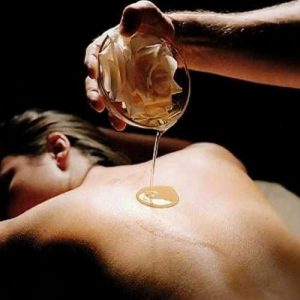
The Science Behind Aromatherapy Massage and Its Calming Effects
Aromatherapy massage’s calming impact is rooted in a complex interplay of aroma molecules and the brain’s limbic system, which governs emotions and memories. When essential oils are inhaled or absorbed through the skin, their aromatic molecules travel swiftly to the brain, influencing mood and physiological responses. This neurological interaction explains why certain scents can evoke feelings of tranquility, happiness, or alertness, depending on their composition.
Understanding the science adds depth to appreciating why aromatherapy massage is such a potent tool for relaxation. The essential oils used are carefully chosen for their therapeutic properties, with lavender, chamomile, and ylang-ylang being some of the most popular for stress reduction. Their molecules stimulate the nervous system to produce relaxation-related hormones like serotonin and endorphins, which diminish stress and anxiety levels. Moreover, these oils often have anti-inflammatory and analgesic effects that help relieve muscular tension, further enhancing physical comfort.
The tactile component of massage amplifies the strengths of aromatherapy by promoting increased circulation, releasing endorphins, and reducing cortisol—the stress hormone—levels in the body. This dual-action approach, combining scent and touch, creates a comprehensive relaxation experience. When this synergy is experienced regularly, individuals often report a noticeable reduction in symptoms of chronic stress, better sleep quality, and an overall increase in emotional resilience. This underscores the significant psychological and physiological benefits of integrating aromatherapy into massage therapy.
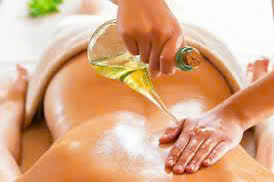
Emotional and Mental Health Benefits of Aromatherapy Massage
Engaging in an aromatherapy massage offers a profound psychological reprieve from daily stressors. In a world that constantly demands multitasking and rapid responses, this therapy provides a sanctuary of tranquility. The emotional benefits extend beyond mere relaxation, fostering a deep sense of peace, mental clarity, and emotional balance, which are essential for overall well-being.
Many people find that their mental health improves significantly after sessions of aromatherapy massage. The soothing scents can help reduce anxiety levels by comforting the nervous system and calming racing thoughts. For individuals dealing with depression or overwhelming stress, the aromatic environment fosters a sense of safety and nurtures a positive emotional state. The gentle, rhythmic motions of massage combined with fragrant oils stimulate the production of mood-enhancing neurotransmitters, which can provide a natural antidepressant effect.
Beyond immediate stress relief, regular exposure to aromatherapy massage can promote long-term emotional stability. It helps regulate sleep patterns, mitigate feelings of fatigue, and improve one’s ability to manage emotional reactions. Clients often report feeling more centered, with increased mental clarity and a renewed sense of optimism after their sessions. The holistic approach addresses emotional dissonance at its root and supports mental health resilience through sensory engagement and physical comfort.
Physical Benefits and Pain Relief Through Aromatherapy Massage
The physical benefits of an aromatherapy massage extend far beyond relaxation. It is an effective modality for alleviating muscle tension, reducing inflammation, and promoting faster healing. The combination of skilled massage techniques with therapeutic essential oils creates an environment where physical pain diminishes and overall body function improves.
One of the most notable influences of aromatherapy massage on physical health is its capacity to relieve muscular pain and stiffness. The essential oils like peppermint or eucalyptus have analgesic and anti-inflammatory properties that help soothe sore muscles and joints. When these oils are incorporated into massage, they penetrate the skin, providing targeted relief and enhancing blood flow to affected areas.
Furthermore, aromatherapy massage can assist in managing chronic conditions such as headaches, migraines, and fibromyalgia. The calming aroma helps to relax tense muscles, unblock energy flow, and alleviate nerve-related pain. The increased circulation from massage facilitates the removal of metabolic waste products and supplies oxygen and nutrients to tissues, supporting natural healing processes. As a result, individuals often experience improved mobility, fewer spasms, and reduced chronic discomfort over time.
Enhancing Overall Wellness and Longevity with Aromatherapy Massage
Integrating aromatherapy massage into your wellness routine can significantly enhance your overall health and promote longevity. The holistic benefits span mental, emotional, and physical domains, fostering a balanced and vibrant life. Regular massage sessions encourage the body to maintain its equilibrium, reducing the risk of stress-related illnesses and boosting immune function.
The role of essential oils in this therapy extends to detoxification, hydration, and cellular regeneration, which are vital processes for maintaining health. Oils with antioxidant properties, such as frankincense or tea tree, help fight free radicals, slowing the aging process and supporting healthy skin and tissues. When combined with the physical advantages of massage, these benefits create a comprehensive approach to long-term wellness that emphasizes prevention and resilience.
Aromatherapy massage also nurtures the mind-body connection, fostering mindfulness and self-awareness. As clients become more attuned to their physical sensations and emotional responses during therapy, they develop healthier coping mechanisms and a deeper appreciation for their body’s needs. This attentiveness encourages proactive health choices beyond the massage table, cultivating habits that sustain vitality and emotional stability across the lifespan.
Conclusion
In conclusion, aromatherapy massage stands out as a powerful and versatile approach to achieving total relaxation and stress relief. By blending the therapeutic properties of essential oils with expert massage techniques, this modality offers emotional and physical benefits that enhance overall wellness. From calming the nervous system and alleviating muscular pain to fostering mental clarity and promoting emotional stability, the multi-sensory nature of aromatherapy massage makes it an invaluable tool in modern self-care. Regular engagement with this practice not only alleviates immediate stress but also contributes to long-term health, vitality, and a more balanced way of living.
The Origins and Principles of Aromatherapy
Aromatherapy has its roots in ancient civilizations, where plant extracts were used for medicinal purposes, spiritual rituals, and personal care. The use of aromatic ingredients for health and wellness can be traced back thousands of years, with historical evidence found in Egyptian, Chinese, and Indian cultures. Understanding these origins and the principles that underpin aromatherapy can enhance our appreciation for its therapeutic applications today.
Historical Context
The history of aromatherapy can be observed through the lens of various ancient practices. In Egypt, the use of essential oils was documented in the treatment of illnesses and for embalming purposes; they were also intertwined with religious ceremonies. In traditional Chinese medicine, fragrant herbs were believed to promote health and balance within the body. Moreover, the ancient Indian practice of Ayurveda incorporated aromatic substances for purifying the mind and body, showcasing the cross-cultural significance of aromatics throughout time.
The modern concept of aromatherapy emerged in the early 20th century, primarily through the pioneering work of French chemist René-Maurice Gattefossé, who discovered the healing properties of lavender essential oil after treating a burn. Since then, aromatherapy has incorporated scientific research and holistic approaches, resulting inits integration into complementary and alternative medicine. This historical backdrop emphasizes the deep-rooted nature of aromatic practices in enhancing both physical and emotional well-being.
Essential Principles of Aromatherapy
Aromatherapy is guided by specific principles that unite its practice and therapeutic effects. At its core lies the belief that essential oils possess unique therapeutic properties stemming from their chemical constituents. Each essential oil contains a complex blend of compounds that can influence both the physical and emotional aspects of health. For instance, calming oils like lavender contain linalool, known for its relaxing effects on the nervous system, while stimulating oils like rosemary contain compounds that can enhance memory and focus.
Another key principle is the delivery method, which is predominantly through inhalation and topical application. Inhaling essential oils allows their molecules to reach the limbic system of the brain, which is responsible for emotions and mood regulation. On the other hand, applying oils topically enables their absorption into the skin, providing localized benefits and systemic effects through the circulatory system.
Understanding these essential principles enhances the efficacy of aromatherapy, as individuals can choose specific oils tailored to their emotional and physical needs. This personalized approach allows for a deeper connection to wellness and self-care, facilitating a more meaningful experience with every session.
The Role of Essential Oils in Aromatherapy Massage
In an aromatherapy massage, essential oils serve as the heart of the experience, heightening the overall therapeutic benefits of the practice. The careful selection of oils based on their properties allows for targeted support, ensuring that both physical and emotional needs are addressed effectively. Their role is multifaceted, influencing not just the massage experience but also the outcomes for the recipient.
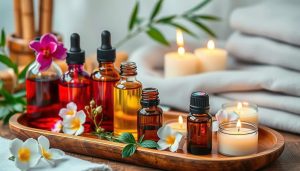
Selecting the Right Essential Oils
Choosing the appropriate essential oils should revolve around individual preferences and specific therapeutic aims. For individuals dealing with stress and anxiety, oils like lavender, chamomile, and bergamot may be beneficial due to their calming effects. In contrast, those seeking improved focus and energy may find invigorating oils such as peppermint and citrus scents to be more suitable.
The olfactory experience can dramatically influence mood and relaxation; thus, individuals should explore their preferences to discover which scents resonate with them. A skilled aromatherapist often guides this selection process, taking into account personal preferences, emotional needs, and any existing health conditions to ensure a supportive environment.
Application Techniques
Applying essential oils in combination with massage techniques amplifies the benefits of both modalities. Aromatherapists often dilute essential oils in a carrier oil, such as sweet almond or jojoba, to enhance absorption and minimize the potential for skin irritation. The artful blending of techniques allows for a comprehensive experience; for instance, deep tissue styles including acupressure can help release tension while the aroma of the oils further calms the mind.
Additionally, the application can be customized based on client feedback and responses throughout the session. The intuitive nature of aromatherapy massage allows practitioners to adjust pressure and techniques dynamically, creating a responsive environment where the client’s comfort and healing are prioritized.
Integrating Aromatherapy into Daily Life
While aromatherapy massage is a remarkable stand-alone treatment, integrating essential oils into daily routines can provide sustained benefits outside of formal sessions. This holistic approach encourages individuals to remain mindful of their emotional and physical well-being throughout their lives.
Aromatherapy for Everyday Wellness
Whether it’s diffusing essential oils at home, adding a few drops to a warm bath, or using roll-on blends for on-the-go relief, the versatility of essential oils enables individuals to customize their wellness routines effectively. For example, using eucalyptus oil in a diffuser can purify the air and create an inviting atmosphere for relaxation. When combined with mindfulness practices like meditation or yoga, essential oils can enhance the experience, promoting deeper connection and tranquility.
Additionally, individuals can create personalized blends for topical application using carrier oils. This enables them to target specific areas of discomfort or emotional needs directly, transforming everyday routines into holistic health practices. By consciously incorporating aromatherapy into daily life, the lasting effects of its benefits unfold over time.
Cultivating Mindfulness and Connective Practices
A key aspect of integrating aromatherapy into daily life is the cultivation of mindfulness and self-awareness. The practice of being present during self-care routines promotes emotional resilience and overall mental health. Engaging with essential oils during meditation or journaling sessions can amplify emotional healing, providing support during times of reflection and introspection.
Moreover, sharing aromatherapy knowledge with family and friends can foster a community around wellness. Collaborative practices—such as group meditation guided by essential oils or self-care workshops centered around soothing rituals—can evoke a collective sense of support and healing.https://www.google.com/knowledgegraphshares?sca_esv=41514daaec8f90aa&hl=vi&gl=vn&output=search&kgmid=/g/11ld8cgf50&q=Citymax+spa-+thai+massage-massage+home+service+bur+Dubai&shndl=30&shem=lspt11&source=sh/x/loc/act/m1/5&kgs
Conclusion
In conclusion, the multifaceted nature of aromatherapy massage serves not only as a relaxation technique but also as a profound avenue for enhancing emotional and physical health. Through understanding its historical significance, essential principles, and the practical applications of essential oils, individuals can cultivate a deeper appreciation for this holistic practice. By seamlessly integrating aromatherapy into daily routines, not only do they offer themselves respite from daily stressors, but they also unlock the incredible potential for long-term emotional and physical well-being.https://jobedubaispa.com/therapy-massage-3/