
Traditional Hot Stone Therapy – Unlock Vital Energy Pathways
In the realm of holistic health and relaxation, hot stone massage has long stood as a time-honored practice that seamlessly blends physical therapy with spiritual renewal. This ancient technique involves the strategic placement and massage of heated stones on specific points of the body, unlocking vital energy pathways and promoting profound relaxation and healing. As more people seek alternative methods to combat stress, alleviate pain, and restore the body’s natural balance, traditional hot stone therapy continues to reveal its timeless allure and potent benefits.
The Origins and Philosophy of Hot Stone Therapy
Hot stone therapy is rooted deeply in ancient healing traditions across various civilizations, from China to Egypt, from Native American tribes to India. At its core, this practice embodies the philosophy that the human body is a network of energy channels, known as meridians or nadis, which directly influence physical health, emotional balance, and spiritual well-being. The application of heat through stones aims to stimulate these pathways, restoring the flow of vital energy and encouraging the body’s innate healing mechanisms.
Understanding the origins of hot stone therapy helps appreciate its holistic approach. Ancient civilizations used heated stones in rituals, medicinal treatments, and spiritual ceremonies. Modern interpretations have preserved these principles while integrating contemporary massage techniques, making the practice accessible to those seeking both physical relief and spiritual harmony.
The key premise is that heat enhances blood flow, relaxes tense muscles, and clears blockages in energy pathways, thus supporting overall wellness. This philosophy underscores the importance of balancing physical, emotional, and energetic states—a concept at the heart of many traditional healing systems.
The Science Behind Hot Stone Massage: How It Unlocks Energy Pathways
The effectiveness of hot stone massage hinges on a sophisticated interplay of physiology and energy medicine. When hot stones are placed on the body, they do more than just provide warmth—they stimulate nerve endings, dilate blood vessels, and promote the release of endorphins. These physical effects dovetail with more subtle energetic dynamics that are believed to facilitate the flow of life force energy through meridians.
The physical mechanics are well-documented: the heat increases circulation, eases muscle tension, and accelerates toxin release. But beyond these, traditional practitioners suggest that stones applied along specific meridian lines can unblock stagnation, dispelling energetic blockages that manifest as physical pain or emotional distress.
This dual-layered approach—combining physical and energetic healing—makes hot stone therapy particularly compelling. It invites a comprehensive view of health that encompasses both matter and energy, acknowledging the interconnectedness of physical sensations, emotional states, and spiritual vitality. When the energy pathways are free-flowing, individuals often experience a sense of renewed vitality, emotional clarity, and physical ease.
| Aspect | Physical Effect | Energetic Effect |
|---|---|---|
| Circulation | Increased blood flow | Improved energy flow along meridians |
| Muscle Relaxation | Release of tension | Clearing energetic blockages |
| Toxin Release | Elimination of metabolic waste | Restoring energetic harmony |
| Endorphin Release | Pain relief | Emotional balance and calm |
This table summarizes how hot stone massage activates both physical and energetic aspects of health, underscoring its holistic nature.
Techniques and Tools Used in Traditional Hot Stone Therapy
The practice of hot stone therapy involves a variety of specific techniques and tools, each serving a purpose in the journey toward unlocking vital energy pathways. The selection of stones, their temperature, placement, and massage methods all work synergistically to produce therapeutic effects.
Types of Stones and Their Significance
The most commonly used stones are basalt, a volcanic rock with excellent heat retention. These stones are smooth, flat, and durable, making them ideal for massage. Some practitioners also incorporate other stones like marble or soapstone for specific therapeutic qualities.
Preparation and Heating Process
Stones are heated in specially designed water baths to precise temperatures, generally between 110°F to 130°F (43°C to 54°C). Proper heating ensures safety while maximizing the benefits of warmth. The process involves monitoring temperature regularly and ensuring even heat distribution.
Placement and Massage Techniques
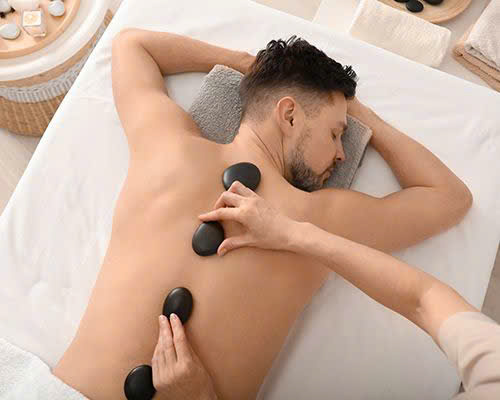
Heated stones are placed on key points—such as along the spine, abdomen, or chakra centers—or used as massage tools themselves. Massage techniques include rhythmic strokes, kneading, and gentle pressure, enhanced by the heat from the stones. The practitioner’s skill is essential in applying action without causing discomfort while effectively stimulating energy pathways.
Customization and Energy Focus
Different sessions may target specific concerns like stress relief, pain management, or emotional release. By positioning stones strategically and tailoring massage techniques, therapists can address individual energetic imbalances, fostering deeper healing.

Benefits of Traditional Hot Stone Therapy in Unlocking Vital Pathways
Engaging in regular hot stone therapy offers a plethora of physical, emotional, and spiritual benefits. It not only relieves tension but also enhances the body’s ability to self-heal by clearing energy blockages, thereby rejuvenating the whole person.
Physical Benefits
- Deep muscle relaxation reduces stiffness and soreness.
- Improved circulation enhances oxygen and nutrient delivery.
- Detoxification through enhanced lymphatic flow.
- Relief from chronic pain, arthritis, and fibromyalgia symptoms.
Emotional and Mental Well-being
- Reduction in stress hormones, leading to enhanced mood.
- Alleviation of anxiety and depressive symptoms.
- Better sleep quality and mental clarity.
- Release of emotional tension stored within muscles.
Spiritual and Energetic Advantages
- Rebalancing of chakras and energy meridians.
- Restoring flow of vital life force energy.
- Heightened sense of spiritual connection and inner peace.
- Facilitating emotional release and personal insight.
The cumulative effect of these benefits creates a profound sense of vitality, aligning mind, body, and spirit. It emphasizes how traditional hot stone therapy works not just on the surface but at a fundamental energetic level.
Modern Applications and Integration of Hot Stone Therapy
Although rooted in ancient practices, hot stone therapy has evolved with modern wellness trends. Today, it is integrated into spa treatments, physiotherapy, and holistic healing practices worldwide.
In Spa and Wellness Centers
Luxury spas often offer hot stone massage as part of their holistic treatment menus. These sessions are tailored to individual needs, employing a combination of traditional techniques and modern adaptations such as aromatherapy and sound healing to amplify energetic benefits.
In Physical Therapy and Rehabilitation
Many physiotherapists recognize the value of heat and massage in recovery. Hot stones are used to loosen tight muscles before therapeutic exercises, enhancing circulation and accelerating healing.
As a Complement to Energy Healing Modalities
Practitioners of Reiki, acupuncture, and chakra healing incorporate hot stones to intensify energetic clearing. The stones serve as conduits for healing energy, unlocking pathways that are otherwise inaccessible through purely energetic or manual means.
In Evidence-Based Research
Growing scientific studies examine the physiological effects of heat therapy, with promising results in pain reduction and stress management. While the energetic aspects are more subjective, anecdotal reports and traditional knowledge continue to support their efficacy.
Best Practices for Practitioners and Clients
Successful application depends on choosing appropriate stones, maintaining proper temperatures, and understanding the energetic map of the body. Training and certification ensure practitioners can skillfully blend physical and energetic techniques to unlock optimal benefits.
Strategies for Incorporating Hot Stone Therapy into Personal Wellness Regimens
While professional treatments are highly effective, self-care can also play a vital role in harnessing the benefits of hot stone therapy. Personalized routines can help maintain energy flow and relieve daily tension.
DIY Hot Stone Rituals
- Using smooth, heated stones (from a spa supplier) at safe temperatures.
- Applying gentle massage and placement techniques.
- Incorporating essential oils for aromatherapy enhancement.
Creating a Relaxing Environment at Home
- Setting up a dedicated space with calming lighting and sounds.
- Using comfortable mats or tables to mimic spa settings.
- Practicing mindfulness alongside the process.
Incorporating Energy-Cleansing Practices
- Combining hot stone therapy with meditation or visualizations.
- Using affirmations to enhance energetic clearing.
- Practicing breathwork to deepen relaxation.
Safety and Precautions
- Testing stone temperature before use.
- Avoiding session durations beyond recommended limits.
- Consulting health professionals if pregnant, with skin conditions, or chronic illnesses.
By integrating these strategies, individuals can continually nourish their energetic pathways, maintaining vitality and well-being between professional sessions.
Conclusion
Traditional hot stone therapy represents a profound synergy between physical healing and energetic balance. Its age-old roots reflect the deep understanding that health resides at the intersection of matter and energy, physical and spiritual domains. Whether through ancient rituals or modern spa practices, the application of heated stones remains a potent method to unlock vital energy pathways, restore flow, and rejuvenate the body and mind. Embracing this holistic approach can lead to a more balanced, energized, and harmonious life, reaffirming the timeless wisdom that healing is a journey inward, facilitated by the gentle yet powerful touch of heated stones.

Therapeutic Techniques in Hot Stone Massage
Hot stone therapy is more than just the application of heated rocks; it is a complex and nuanced healing practice that incorporates a range of therapeutic techniques to achieve the best possible outcomes.
Integrative Techniques: A Fusion of Practices
Hot stone therapy integrates various massage techniques, allowing therapists to alternate between traditional manual massage and stone application.
This method combines the deep pressure of traditional rubbing, kneading, and circular movements with the warmth and weight of the stones. The need for skillful integration becomes paramount; otherwise, the therapeutic effects can fall short.
Cold-pressed techniques, gentle strokes, and direct pressure can also be incorporated around the stones to create further layers of relief. This harmonization not only stimulates the muscles but also supports energy flow, amplifying the experience for the client.
Guided Energy Movement
A significant aspect of hot stone therapy lies in its ability to facilitate energy movement.
Many practitioners utilize guided imagery and meditation techniques during sessions to enhance the therapeutic benefits. By encouraging clients to visualize energy moving in and out of their bodies in synchronization with the strokes or placement of stones, the practitioner can help align with the client’s energy.
Feedback from clients often indicates that they feel more grounded and relaxed. This highlights how a straightforward hot stone session can become a powerful experience when paired with guided energetic practices that resonate deeply within their experience.
Business Logistics and Practitioners’ Skillset
As hot stone therapy becomes more prevalent among wellness and therapeutic communities, understanding the business logistics becomes crucial for both practitioners and clients.
Therapists require appropriate training and certification to practice safely and effectively. Also, managing inventory of stone types, training staff accordingly, and establishing a consistent heat-maintaining process are vital for providing a professional and therapeutic atmosphere.
Staying informed on industry trends can further enhance a therapist’s ability to offer comprehensive services that merge traditional practices with present-day wellness advances.
Risks and Considerations in Hot Stone Therapy
Though hot stone therapy offers significant benefits, it is paramount to consider possible risks and contraindications associated with the practice.
Precautions for Safety
Every modality of massage involves varying degrees of risk, and hot stone therapy is no exception.
Before any session, therapists must perform a thorough intake process that includes assessing medical history, current medications, and specific sensitivities. Special care must be employed for clients with conditions like diabetes, heart disease, or pregnancy that may heighten risks.
Proper temperature regulation is crucial in delivering a safe experience. Excessive heat can cause burns or nerve damage, making the familiarity with safety protocols paramount for practitioners. Using infrared thermometers to monitor stone temperatures can prevent complications and ensure optimal results.
Client Communication and Feedback
Another critical aspect of risk mitigation is fostering open lines of communication between client and therapist throughout the treatment.
Clients should be encouraged to express discomfort at any point, re-establishing boundaries if the temperature feels too intense or if any movements cause pain. Having frank discussions about therapeutic goals can lead to better outcomes and potentially avoid negative experiences.
Addressing Health Risks
While most clients experience positive benefits from hot stone therapy, some may encounter health complications during or after the session.
Headaches, muscle soreness, or exacerbated symptoms of pre-existing neurological disorders can occur. Being aware of these potential reactions is critical for both the client and therapist. The therapist should also know when to adjust techniques, switch to standard massage methods, or, in more serious cases, consult medical professionals for further guidance.
The Science Behind Heat and Healing
The efficacy of hot stone therapy is steeped in both traditional practice and a growing body of medical research examining the science of heat as a therapeutic tool.
Physiological Effects of Heat
Heat serves several physiological functions in the body. By applying warmth through stones, local blood flow increases, which enhances oxygen and nutrient delivery to tissues.
Scientific studies gradually support these claims by demonstrating that heat can increase connective tissue extensibility and elevate pain thresholds, effectively reducing tension.
Research indicates that heat therapy may also influence neurophysiological mechanisms, potentially acting on the body’s pain gateways and changing how signals are processed by the nervous system, allowing for an enhanced sense of well-being.
Psychological Impact of Heat
The psychological benefits of heat in therapeutic settings are profound as well. The act of being enveloped in warmth can evoke feelings of security and safety, proven to lower anxiety levels.
The cognitive perception of warmth, compounded with essential oils and music in a typical spa environment, can produce a tranquil experience that penetrates emotional stressors, allowing the body to release what it has been holding onto.
Future Directions in Research
With growing interest in the therapeutic application of heat, future research studies may explore novel techniques and enhanced methodologies in hot stone therapy.
Investigating how various types of stones and heat settings affect pain relief and relaxation could lead to more customized treatment plans that further expand the scope of this ancient practice, paving pathways for new insights and certifications as this modality continues to evolve.https://www.google.com/knowledgegraphshares?sca_esv=41514daaec8f90aa&hl=vi&gl=vn&output=search&kgmid=/g/11ld8cgf50&q=Citymax+spa-+thai+massage-massage+home+service+bur+Dubai&shndl=30&shem=lspt11&source=sh/x/loc/act/m1/5&kgs
Conclusion
Traditional hot stone therapy represents a profound synergy between physical healing and energetic balance. Its age-old roots reflect the deep understanding that health resides at the intersection of matter and energy, physical and spiritual domains. Whether through ancient rituals or modern spa practices, the application of heated stones remains a potent method to unlock vital energy pathways, restore flow, and rejuvenate the body and mind. Embracing this holistic approach can lead to a more balanced, energized, and harmonious life, reaffirming the timeless wisdom that healing is a journey inward, facilitated by the gentle yet powerful touch of heated stones.https://jobedubaispa.com/massage-8/